

Also in the Knowledge Center
Drawn arc or capacitor discharge? With or without weld pool protection? The choice of the right stud welding method determines quality, efficiency, and area of application. Here you will find the basics, key differences, and practical decision-making guides – to help you find the right method for your application.
The welding methods at a glance
Process Comparison Table
| Feature | Drawn Arc | Capacitor Discharge (CD) – Tip Ignition | Short Cycle |
|---|---|---|---|
| Stud diameter | 3–25 mm | 3–12 mm | 2–8 mm |
| Welding time | 100–1.000 ms | 1–10 ms | 1–10 ms |
| Weld pool protection | Ceramic ferrule or shielding gas | Not required | Not required |
| Min. base material thickness | approx. 1/3 of stud diameter | 0.5 mm | 0.5 mm |
| Typical application | Steel construction – Composite beams | Automotive – Electronics | Coated sheet metal |
| Standard | DIN EN ISO 14555 | DIN EN ISO 14555 | DIN EN ISO 14555 |
FAQs
What is stud welding?
Stud welding is an efficient method for fastening welding studs to all metallic, weldable surfaces. Using welding guns connected to stud welding machines that supply the necessary welding current, studs are securely and reliably attached. Depending on the stud diameter and material, different ignition methods such as drawn arc or tip ignition are used – but this has little effect on operation. The equipment is so simple and safe to use that even semi-skilled workers can quickly achieve good results.
Are all stud welding processes the same?
No, not all stud welding is the same. The processes differ in the type of ignition, the type of weld pool protection, the power source, and the ratio of time to current. Just as the processes differ, so do the studs required for each.
Which stud welding processes exist besides drawn arc stud welding?
In addition to drawn arc stud welding with ceramic ferrule or shielding gas, the most common processes are tip ignition stud welding and short-cycle stud welding. These methods differ in ignition type, weld pool protection, power source, and the ratio of time to current.
What role does the arc play in drawn arc stud welding?
In drawn arc stud welding, the arc plays a central role in the welding process – and it is generated in two consecutive phases:
- First, a small pilot arc (also referred to as auxiliary arc) is created as the stud is lifted from the workpiece. Its purpose is to emit charge carriers and ionise the arc gap between the electrode (cathode) and the workpiece (anode) – thereby preparing the transition of the main current.
- This is immediately followed by the main arc, which overlays the pilot arc and fulfils two key functions: it releases the energy required to melt both the stud and the workpiece, and simultaneously deoxidises the forming weld pool – ensuring a clean and reliable connection.
What is the through-deck welding technique and where is it used?
In structural and composite construction, the so-called through-deck welding technique is widely used. Shear studs are welded directly through galvanised steel decking onto the underlying steel beam – joining all three components together in a single operation.
The resulting combination of composite beam and composite slab offers versatile options on the underside for suspended ceilings as well as the installation of HVAC and electrical systems. Compared to conventional formwork, this method saves considerable time.
The through-deck welding technique is particularly prevalent in the Anglo-Saxon market – partly because uncoated beams are commonly used there, and partly because the preferred 19 mm shear stud is easier to process than the 22 mm shear stud traditionally favoured in Germany for composite construction.
Video Expert Sessions
Our expert Michael Krämer, Welding Specialist | EWS | IWS, answers all your questions in two insightful videos showcasing tip ignition stud welding and drawn arc stud welding with ceramic ferrule or shielding gas in action.
From theory to practical application with KÖCO technology – watch our videos now!
The most common source of error when selecting a welding process is confusing submerged arc welding with stick welding. The results of both processes look similar – the key factor is the thickness of the base metal: for thicknesses under 1.5 mm, stick welding is the safer choice; for thicknesses above that, submerged arc welding offers greater process reliability.
Michael Krämer Welding Specialist | EWS | IWS Application Technology, Köster & Co. GmbH Area of expertise: Lift-ignition stud welding, tip-ignition stud welding, quality control

Applications
In which industries is stud welding used?
Stud welding is applied in numerous sectors where secure and permanent bonds between metal and other materials are required, such as:


In which areas is KÖCO technology used?
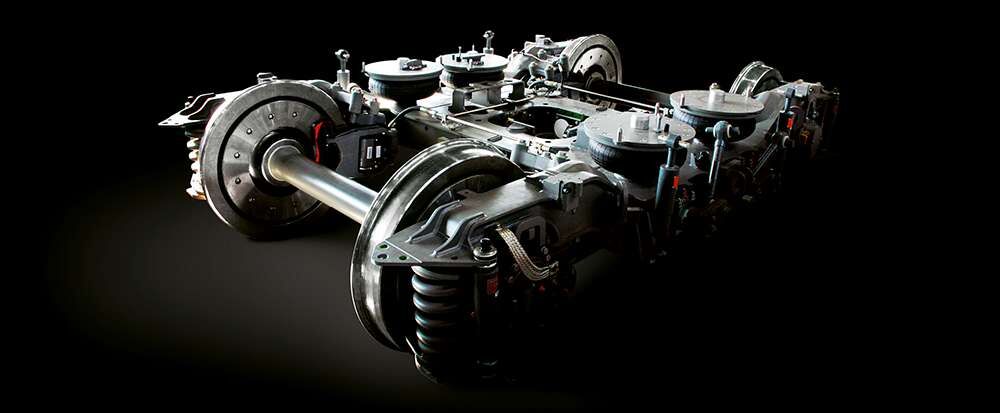
Bogie of the company Bombardier „FLEXX Compact bogie for AGC“
Threaded Studs from KÖCO
© Bombardier
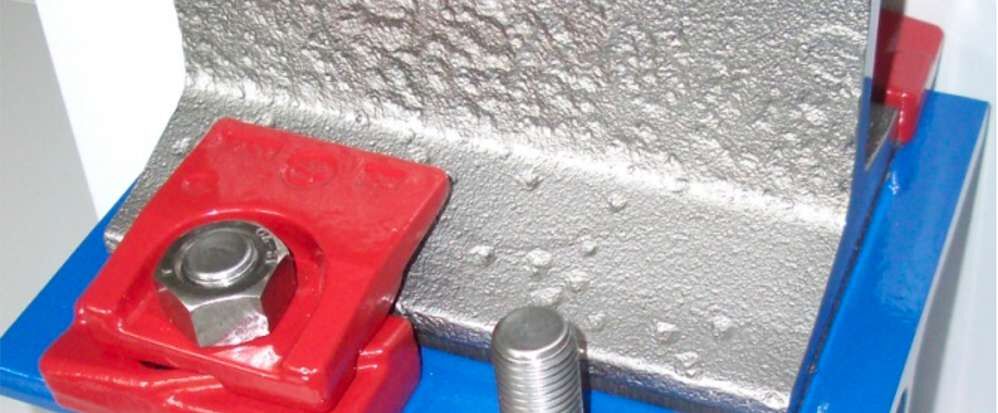
Fixing of railway tracks
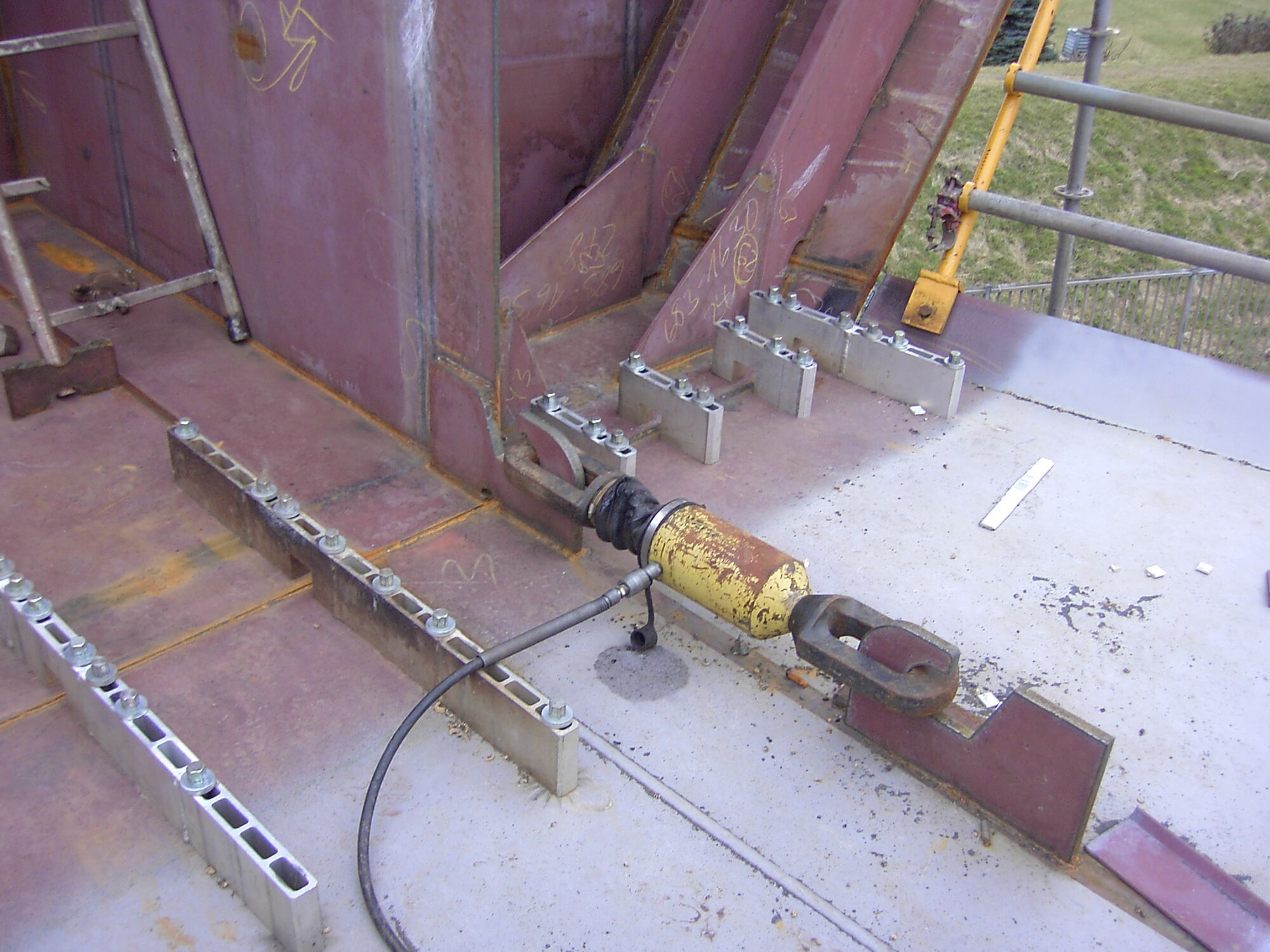
Plate fairing of welding seams
with KÖCO Threaded Studs and Hilbig GmbH aluminium bridges.
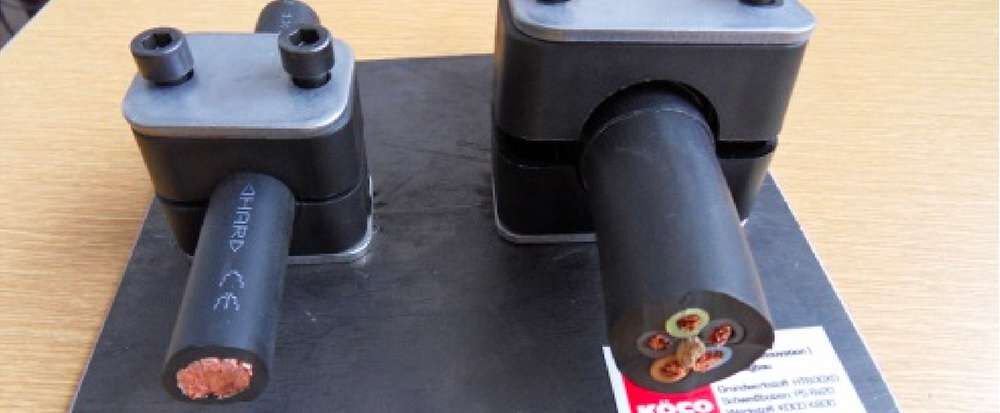
Fixing of tubes and cables
Fixing of heat exchangers
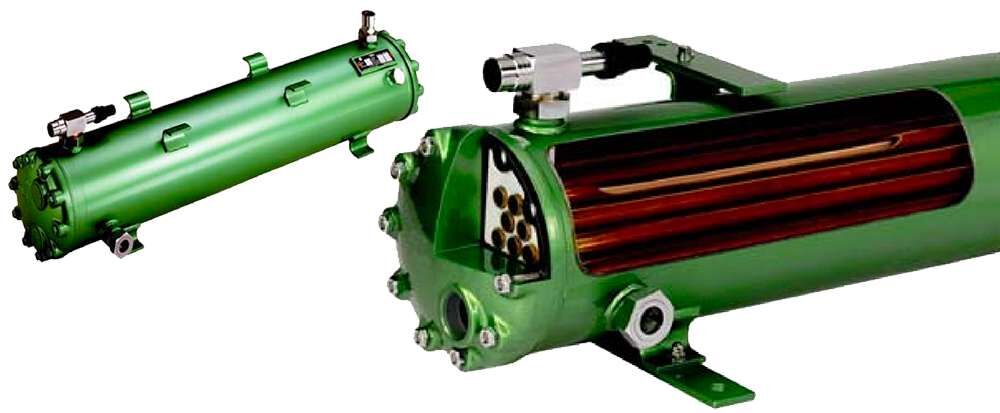
Messrs. Bitzer
Stud Welding
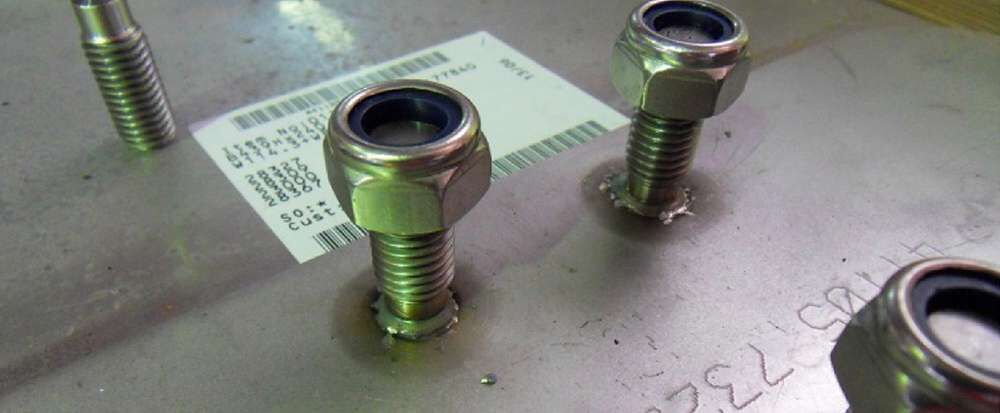
Drawn Arc Stud Welding with ceramic ferrule of stainless steel Threaded Studs M10 on refrigerating machine of Messrs. Bitzer
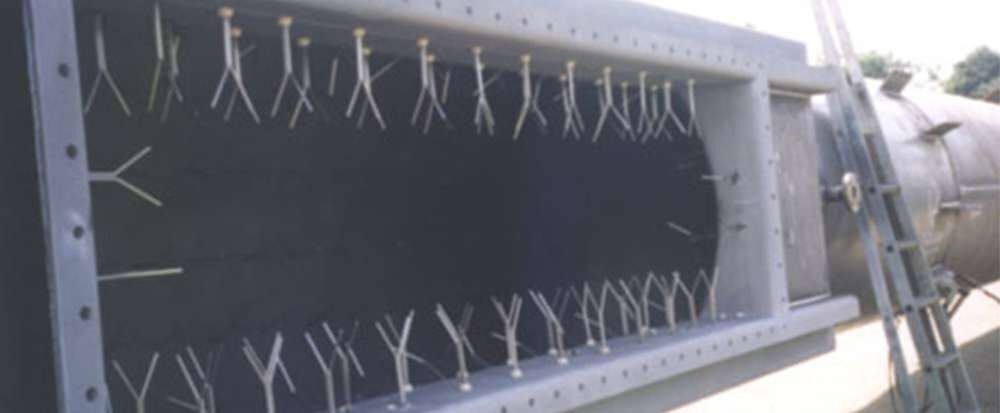
Application of Rectangular
Two Tine Studs in a hot air pipe and an exhaust pipe inside a steel plant of the company Corus
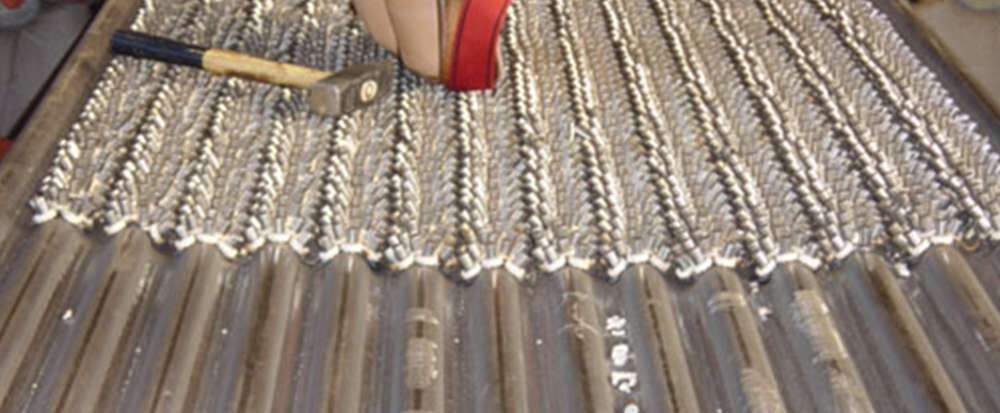
Application of Boiler
tube studs for a melting furnace
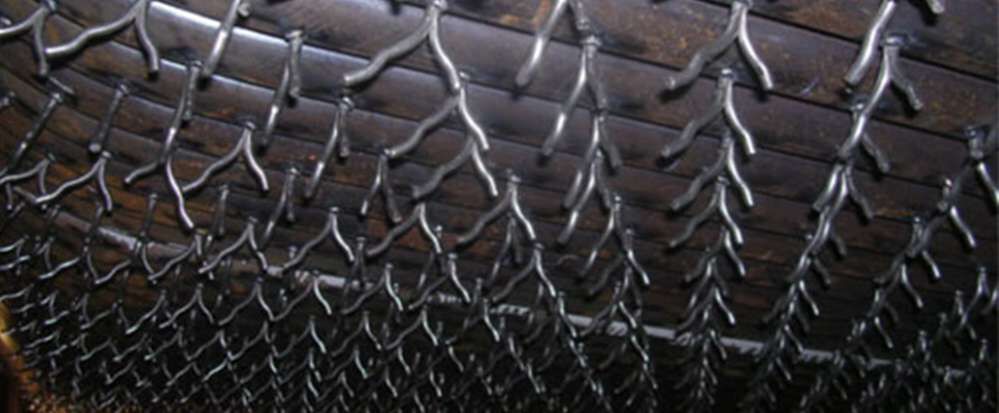
Italy
Application of Refractory
Y-Anchors in a wast incineration plant and in a hot air pipe inside a steel plant.

Threaded Studs in trains worldwide
Threaded Studs in train „AGC“
© Bombardier

Finland
New nuclear power plant
Anchor plates

Close to Cologne, Germany
New coal-fired power plant
Anchor plates
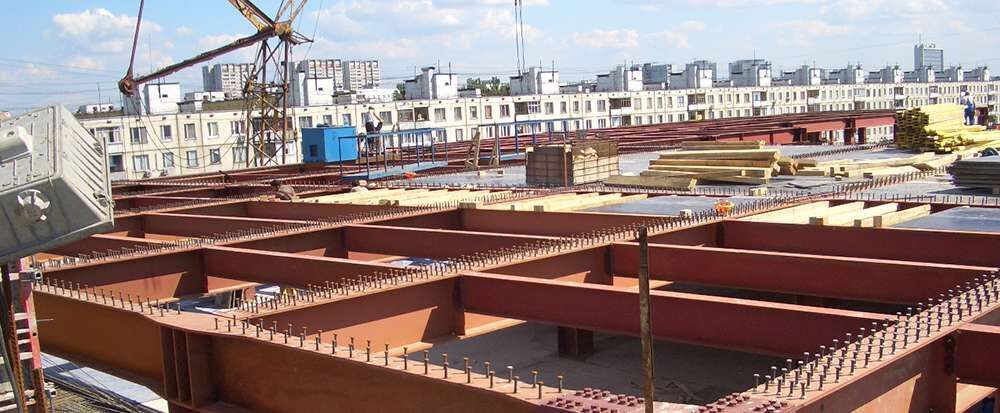
Moscow, Russia
New car park

Nikosia, Cyprus
New shopping centre
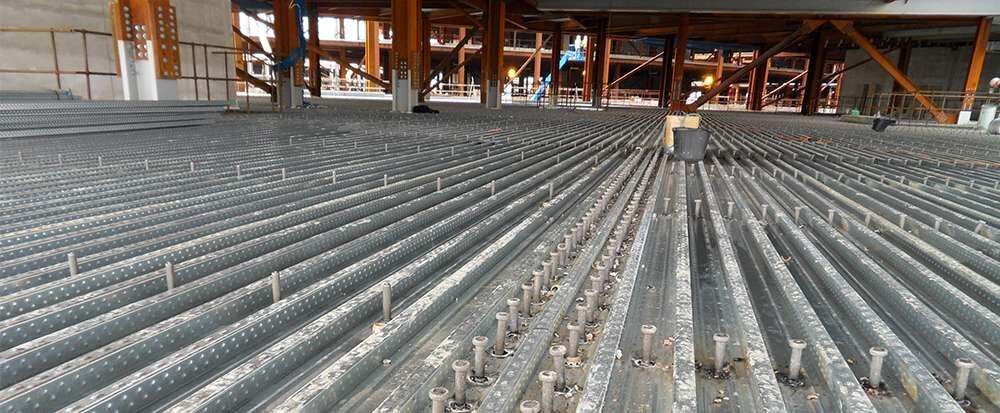
London, UK
New shopping centre in Westfield, Stratford City
Welding of KÖCO Shear Connectors 19 and 22 mm, fastening of metal decks by means of through-deck-welding (TD)
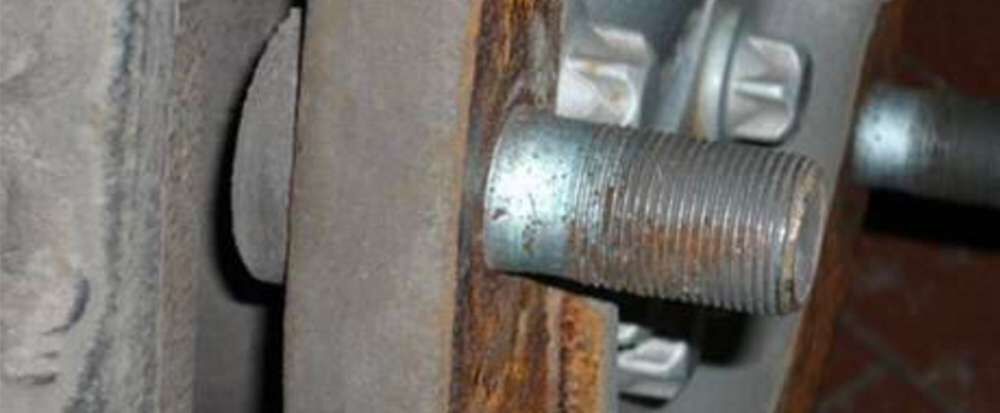
Wheel bolt for buses and utility vehicles
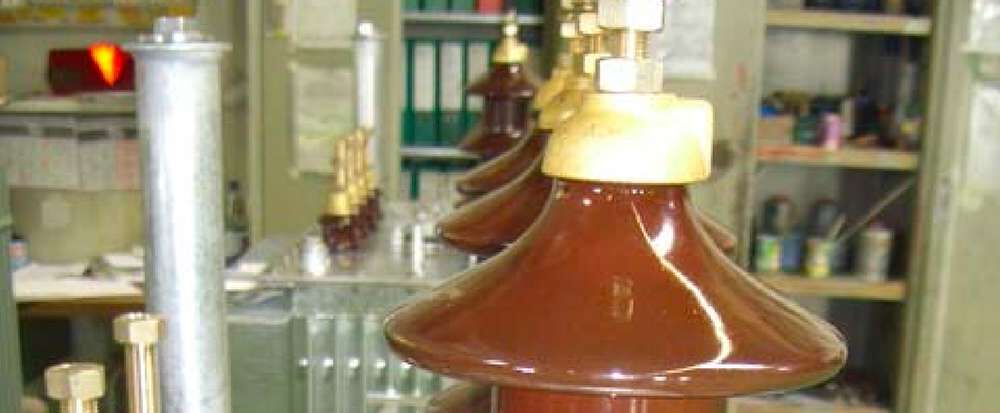
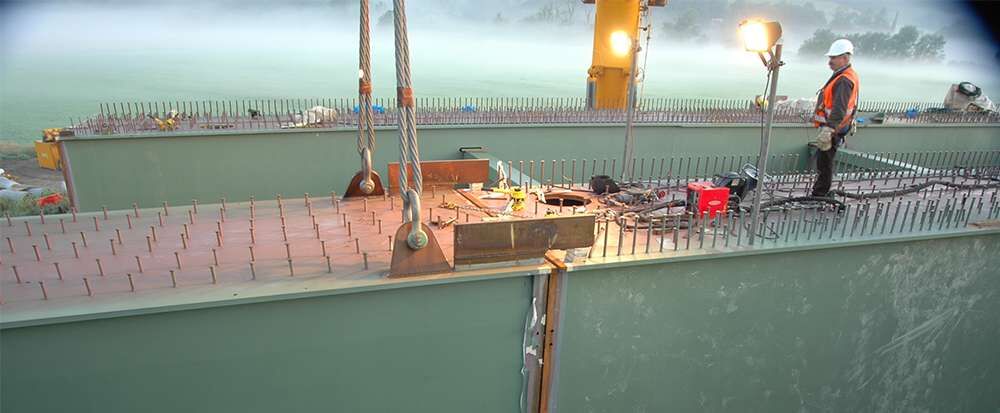
Germany
Composite bridge motorway BAB 1
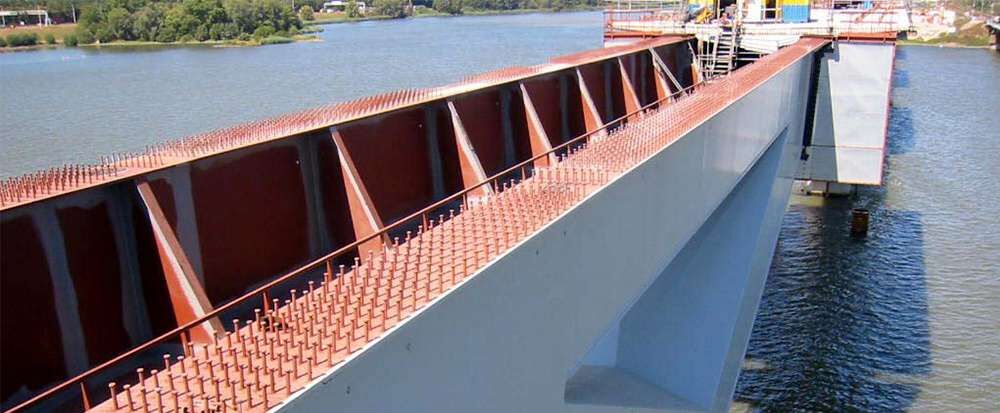
Netherlands
Composite bridge „Moerdijkbrug“
Technical Resources
Our technical documents provide comprehensive information for the optimal use of KÖCO stud welding technology: from detailed product data sheets with all technical specifications to welding parameter tables and application guides for various materials and industries.
Bolzenschweißen in Übereinstimmung mit den DIN ISO 14555
7.25 MB
Sicheres Bolzenschweißen in der Werkstatt und auf der Baustellen nach internationalen Regelwerken
7.45 MB
Lichtbogenbolzenschweißen - zuverlässig auch bei dünnen beschichteten Blechen?
4.39 MB
Bolzenschweißen im Bauwesen
493.76 KB
Aufgeschweißte Kopfbolzen nach Eurocode 4
46.44 KB
Erweiterte Qualitätssicherung beim Bolzenschweißen mit Hubzündung
59.97 KB
KÖCO Verbundbau
5.19 MB
