

Also in the Knowledge Center
Drawn arc or capacitor discharge? With or without weld pool protection? The choice of the right stud welding method determines quality, efficiency, and area of application. Here you will find the basics, key differences, and practical decision-making guides – to help you find the right method for your application.
The welding methods at a glance
Process Comparison Table
| Feature | Drawn Arc | Capacitor Discharge (CD) – Tip Ignition | Short Cycle |
|---|---|---|---|
| Stud diameter | 3–25 mm | 3–12 mm | 2–8 mm |
| Welding time | 100–1.000 ms | 1–10 ms | 1–10 ms |
| Weld pool protection | Ceramic ferrule or shielding gas | Not required | Not required |
| Min. base material thickness | approx. 1/3 of stud diameter | 0.5 mm | 0.5 mm |
| Typical application | Steel construction – Composite beams | Automotive – Electronics | Coated sheet metal |
| Standard | DIN EN ISO 14555 | DIN EN ISO 14555 | DIN EN ISO 14555 |
FAQs
What is stud welding?
Stud welding is an efficient method for fastening welding studs to all metallic, weldable surfaces. Using welding guns connected to stud welding machines that supply the necessary welding current, studs are securely and reliably attached. Depending on the stud diameter and material, different ignition methods such as drawn arc or tip ignition are used – but this has little effect on operation. The equipment is so simple and safe to use that even semi-skilled workers can quickly achieve good results.
Are all stud welding processes the same?
No, not all stud welding is the same. The processes differ in the type of ignition, the type of weld pool protection, the power source, and the ratio of time to current. Just as the processes differ, so do the studs required for each.
Which stud welding processes exist besides drawn arc stud welding?
In addition to drawn arc stud welding with ceramic ferrule or shielding gas, the most common processes are tip ignition stud welding and short-cycle stud welding. These methods differ in ignition type, weld pool protection, power source, and the ratio of time to current.
What role does the arc play in drawn arc stud welding?
In drawn arc stud welding, the arc plays a central role in the welding process – and it is generated in two consecutive phases:
- First, a small pilot arc (also referred to as auxiliary arc) is created as the stud is lifted from the workpiece. Its purpose is to emit charge carriers and ionise the arc gap between the electrode (cathode) and the workpiece (anode) – thereby preparing the transition of the main current.
- This is immediately followed by the main arc, which overlays the pilot arc and fulfils two key functions: it releases the energy required to melt both the stud and the workpiece, and simultaneously deoxidises the forming weld pool – ensuring a clean and reliable connection.
What is the through-deck welding technique and where is it used?
In structural and composite construction, the so-called through-deck welding technique is widely used. Shear studs are welded directly through galvanised steel decking onto the underlying steel beam – joining all three components together in a single operation.
The resulting combination of composite beam and composite slab offers versatile options on the underside for suspended ceilings as well as the installation of HVAC and electrical systems. Compared to conventional formwork, this method saves considerable time.
The through-deck welding technique is particularly prevalent in the Anglo-Saxon market – partly because uncoated beams are commonly used there, and partly because the preferred 19 mm shear stud is easier to process than the 22 mm shear stud traditionally favoured in Germany for composite construction.
Video Expert Sessions
Our expert Michael Krämer, Welding Specialist | EWS | IWS, answers all your questions in two insightful videos showcasing tip ignition stud welding and drawn arc stud welding with ceramic ferrule or shielding gas in action.
From theory to practical application with KÖCO technology – watch our videos now!
The most common source of error when selecting a welding process is confusing submerged arc welding with stick welding. The results of both processes look similar – the key factor is the thickness of the base metal: for thicknesses under 1.5 mm, stick welding is the safer choice; for thicknesses above that, submerged arc welding offers greater process reliability.
Michael Krämer Welding Specialist | EWS | IWS Application Technology, Köster & Co. GmbH Area of expertise: Lift-ignition stud welding, tip-ignition stud welding, quality control

Applications
In which industries is stud welding used?
Stud welding is applied in numerous sectors where secure and permanent bonds between metal and other materials are required, such as:


In which areas is KÖCO technology used?
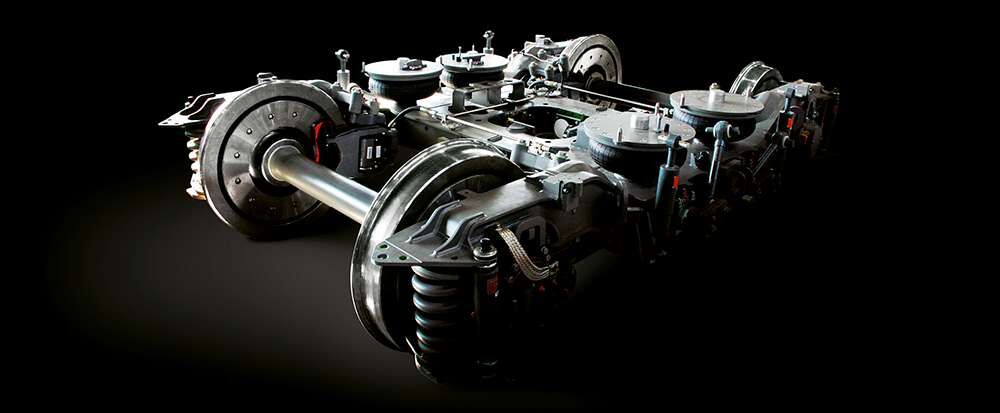
Kompaktní vozík FLEXX od společnosti Bombardier
Svařovací trny KÖCO
© Bombardier
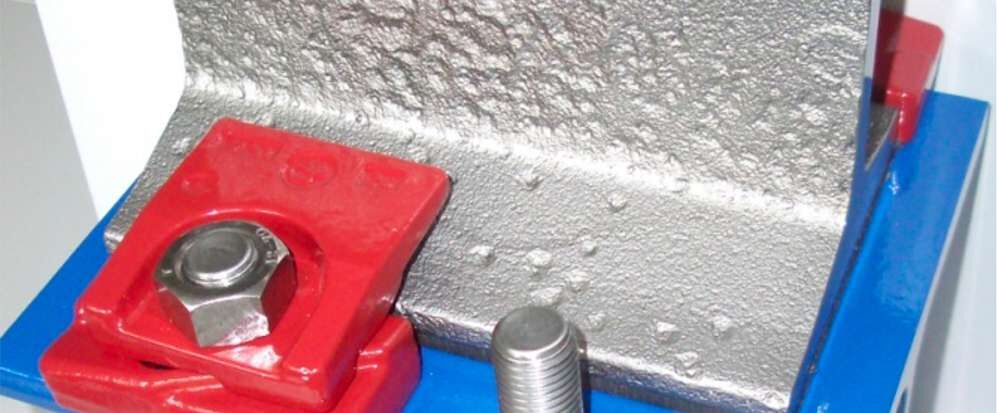
Upevnění kolejnic
Závitové šrouby KÖCO se ve velkém množství přivařují pro upevnění kolejnic při stavbě tunelů.
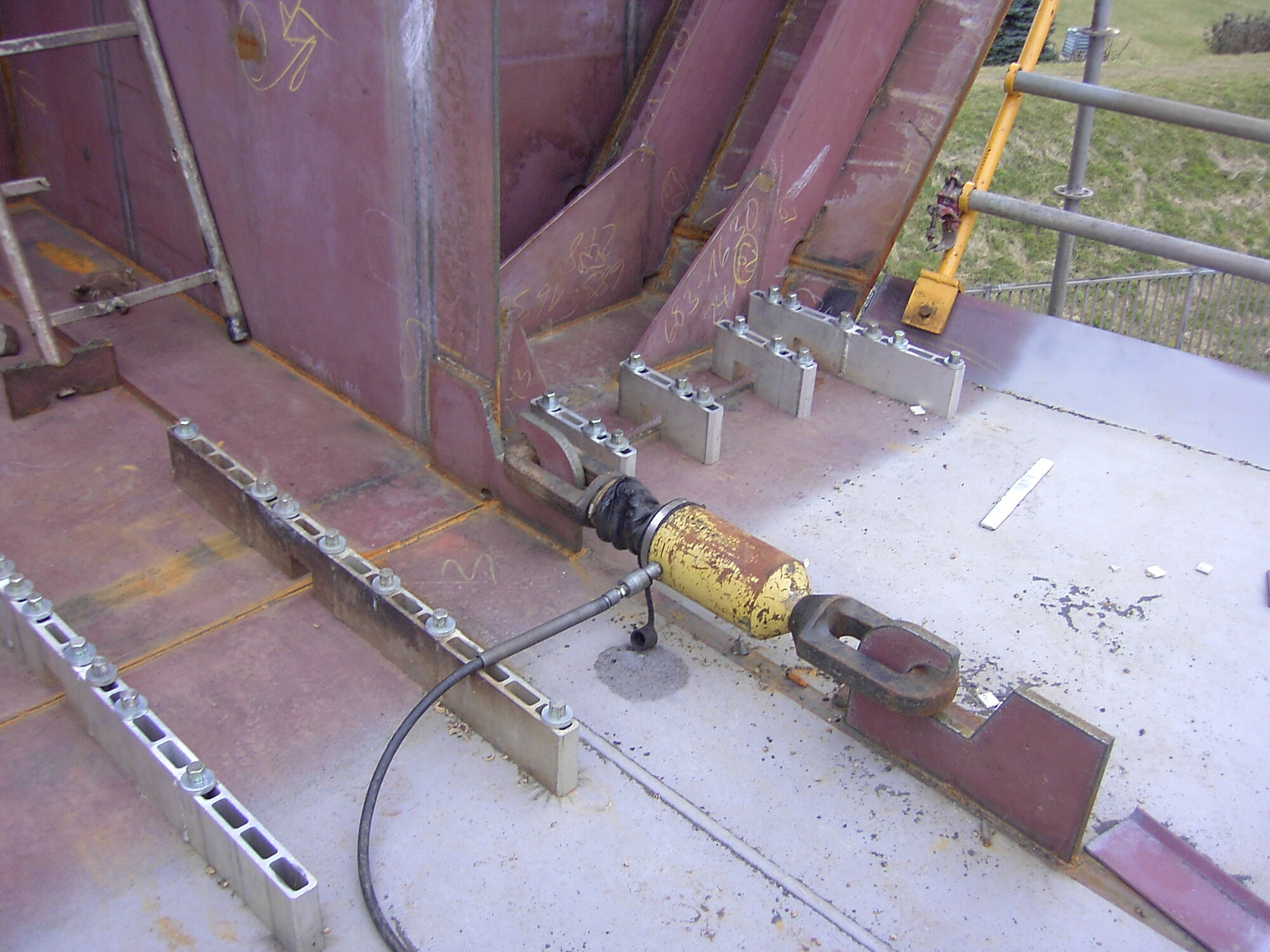
Vyrovnávání montážních spojů
se závitovými šrouby KÖCO a hliníkovými rovnacími můstky HILBIG.
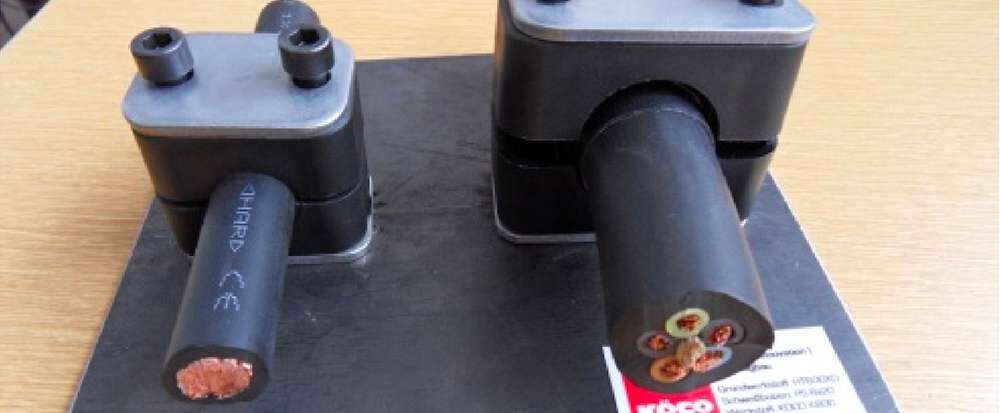
Připojení hadic a kabelů
Speciální vozidla, jako jsou jeřáby, stavební stroje apod., mají velké množství jednotlivých pohonů a řídicích jednotek.
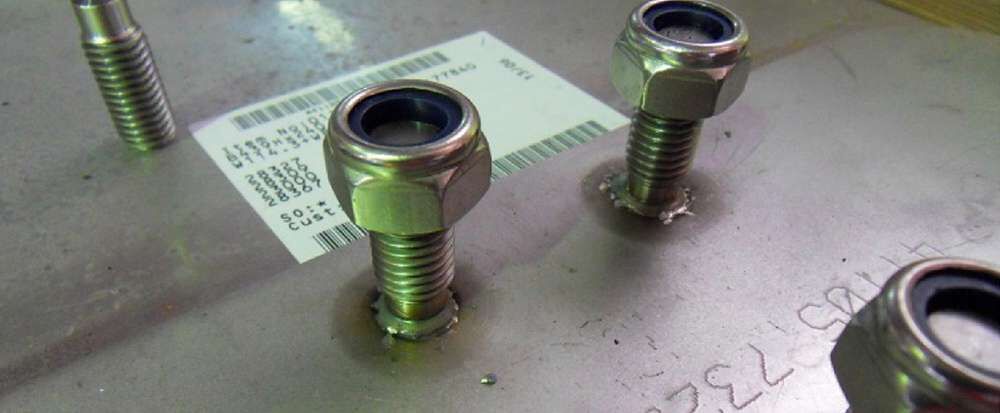
Montáž výměníku tepla
Výhodou svařovacích trnů KÖCO je, že stěna výměníku tepla není proražena spojovacím prvkem.
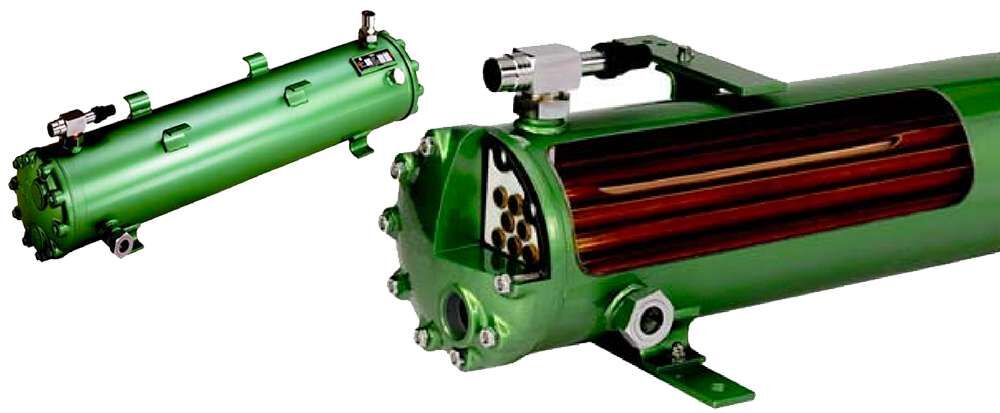
Firma Bitzer
Svorníkové svařování
Svařování trnů s taženým obloukovým zapalováním a keramickým kroužkem závitových trnů M10 z nerezové oceli na děrovaných kotoučích vychylovacích krytů na chladicích strojích ve společnosti Bitzer Kühlmaschinenbau GmbH.
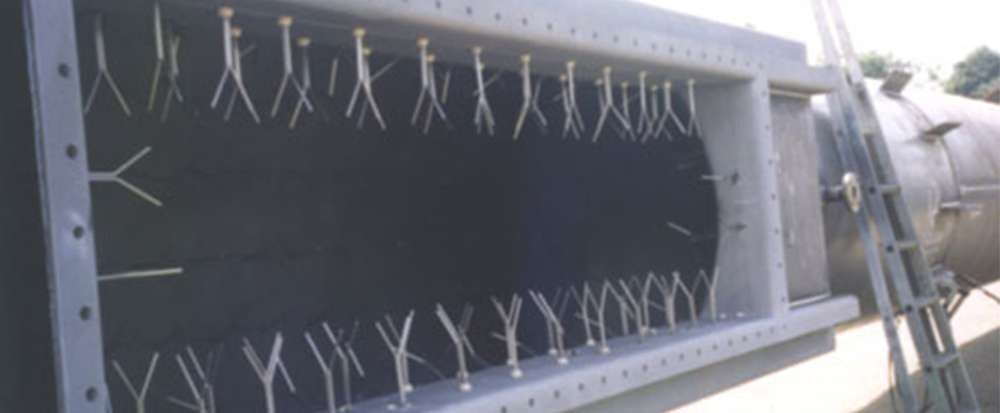
Použití plochých kotev
Ve výfukovém potrubí
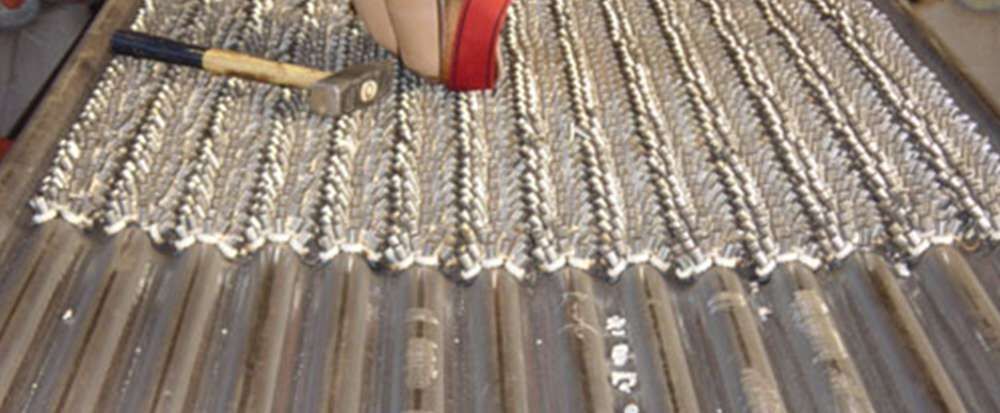
Použití kotlových trnů
při stavbě tavicí pece na tekutý zinek
Piombino, Italien
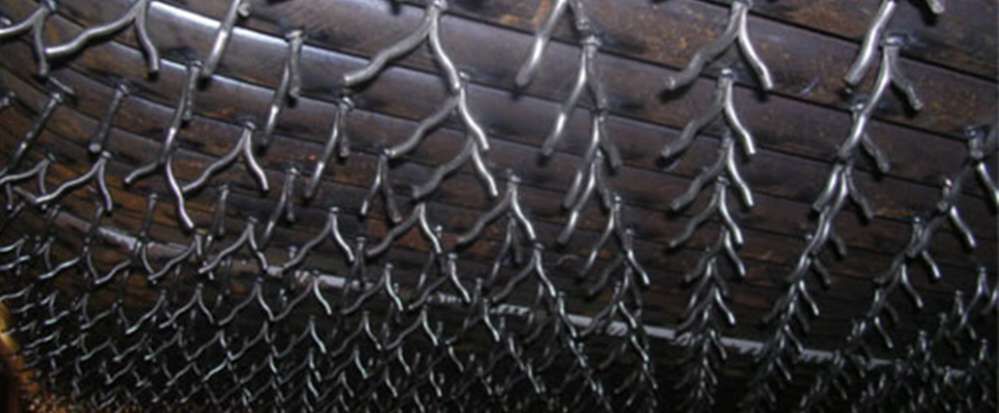
Použití vlnových kotev
Ve stropě po požáru ve spalovně odpadů
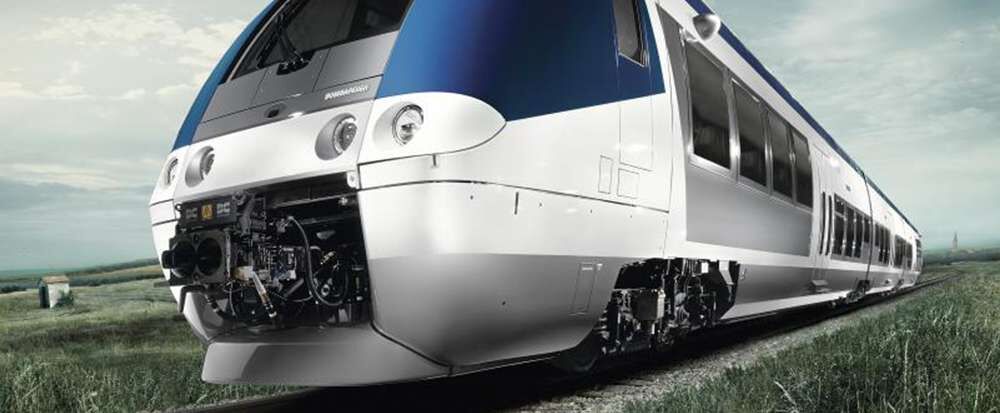
Závitové šrouby ve vlacích po celém světě
Závitový šroub v rychlovlaku „AGC“
© Bombardier

Finsko
Nová výstavba jaderné elektrárny
Použití kotevních desek

Poblíž Kolína nad Rýnem
Výstavba nové uhelné elektrárny
Použití kotevních desek
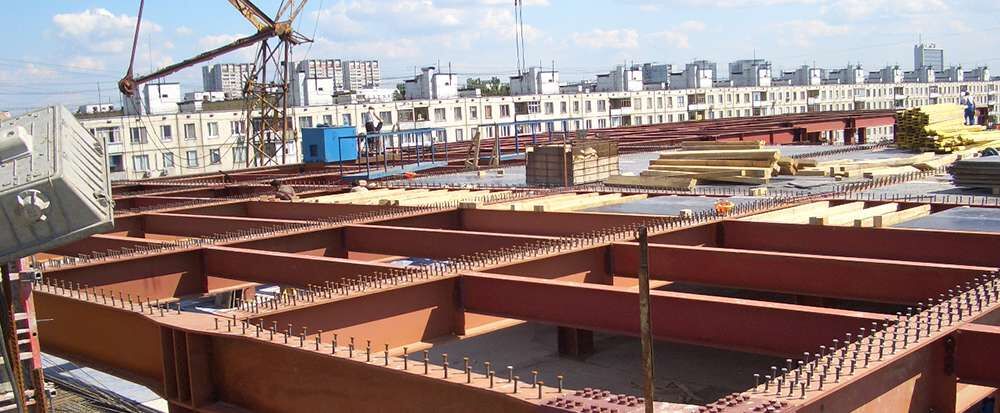
Moskau, Russland
Neubau Parkhaus
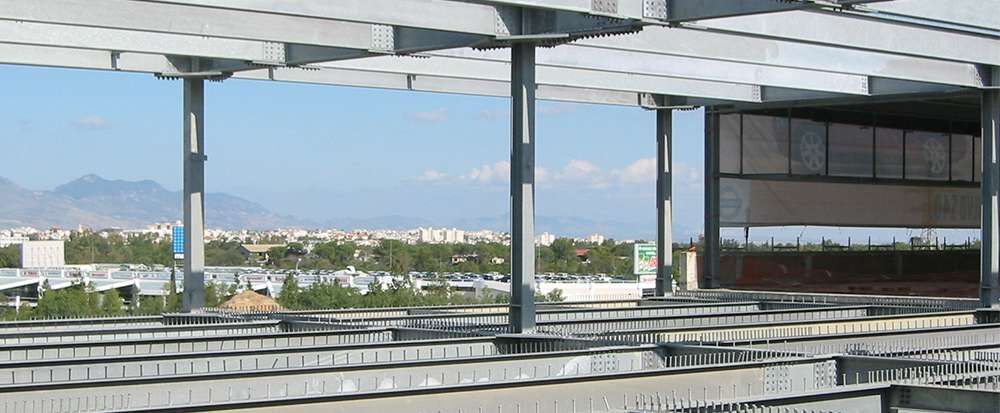
Nikosie, Kypr
Výstavba Shopping Centra
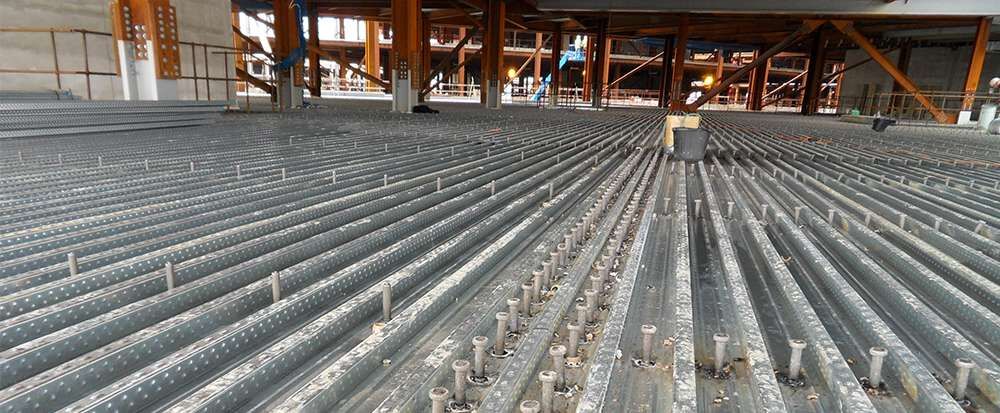
Londýn, Velká Británie
Výstavba Shopping Centra Westfield Stratford City
Svařování čepů KÖCO s hlavou 19 a 22 mm, upevňování trapézových plechů technikou průvlakového svařování (TD).
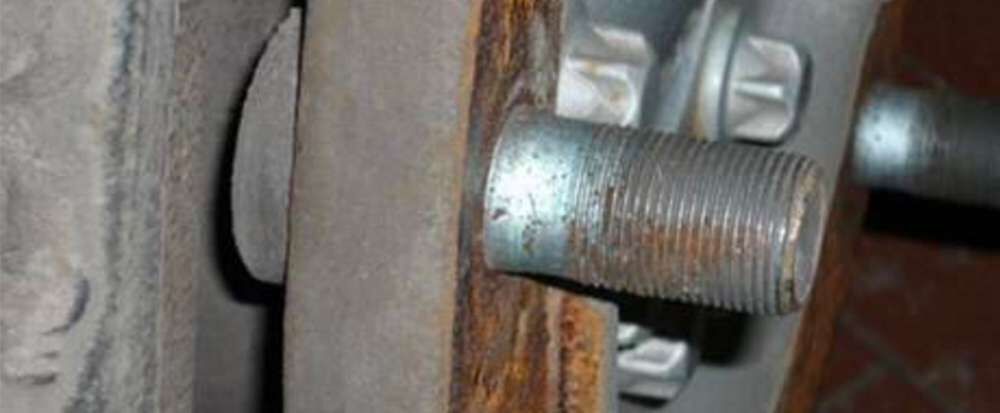
Kolové čepy pro autobusy a užitková vozidla
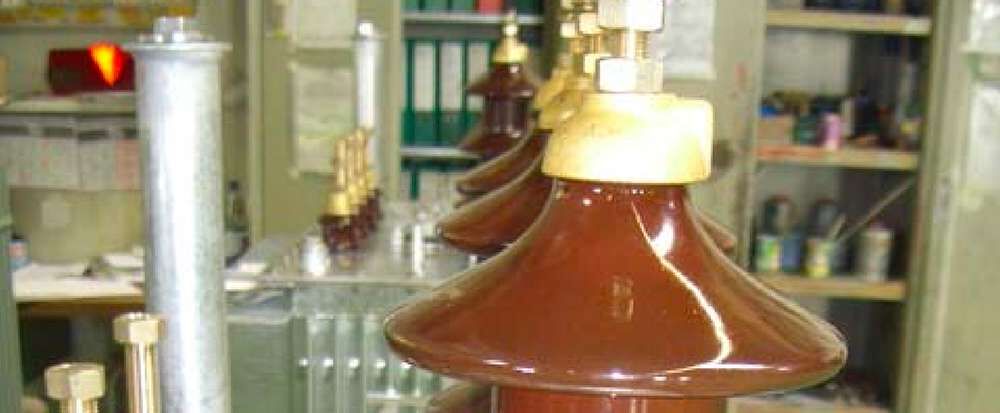
Sächsisch-Bayerische Starkstrom-Gerätebau GmbH
Transformátorová skříň
Při konstrukci skříní transformátorů se šrouby používají mimo jiné k upevnění tyčových izolátorů.
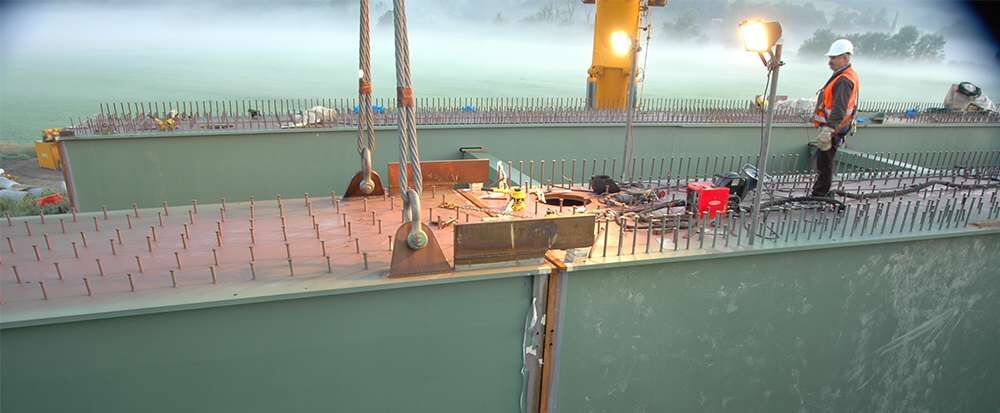
Hagen, Deutschland
Verbundbrücke BAB 1 "Ruhrtalbrücke"
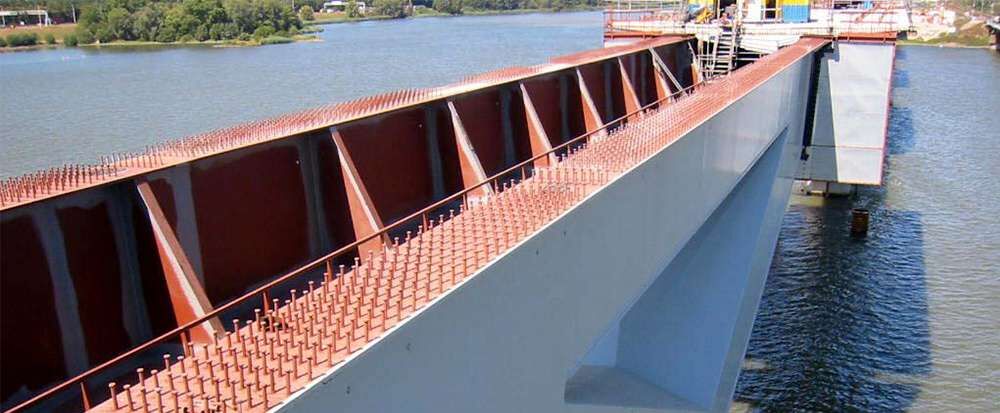
Nizozemí
Kompozitní most „Moerdijkbrug“
Technical Resources
Our technical documents provide comprehensive information for the optimal use of KÖCO stud welding technology: from detailed product data sheets with all technical specifications to welding parameter tables and application guides for various materials and industries.
Bolzenschweißen in Übereinstimmung mit den DIN ISO 14555
7,25 MB
Sicheres Bolzenschweißen in der Werkstatt und auf der Baustellen nach internationalen Regelwerken
7,45 MB
Lichtbogenbolzenschweißen - zuverlässig auch bei dünnen beschichteten Blechen?
4,39 MB
Bolzenschweißen im Bauwesen
493,76 KB
Aufgeschweißte Kopfbolzen nach Eurocode 4
46,44 KB
Erweiterte Qualitätssicherung beim Bolzenschweißen mit Hubzündung
59,97 KB
KÖCO Verbundbau
5,19 MB
